
Notice:
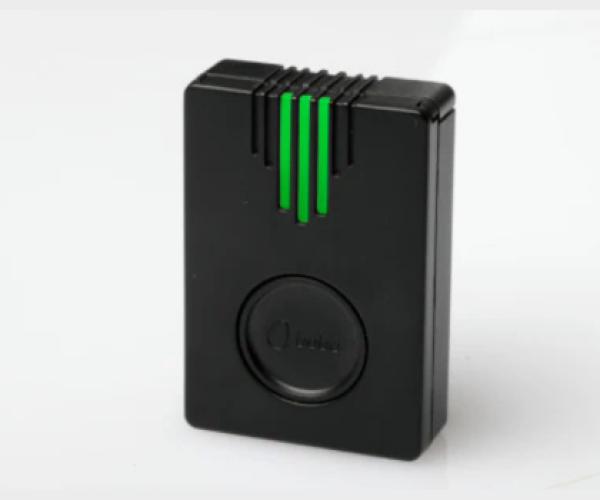
The BoBo Motion 2.0 is a wearable motion-sensing system designed to measure Range of Motion (ROM) in real time, track exercise performance, and transform conventional therapeutic activities into interactive digital experiences.
The compact sensor can be attached to different body segments using adjustable straps, allowing professionals to monitor movement during mobility, functional training, and rehabilitation exercises. Integrated with the BoBo digital ecosystem, the system combines motion tracking, visual biofeedback, performance data, and gamified exercises.
Wearable Motion Sensor
At the center of BoBo Motion 2.0 is a compact wearable motion sensor designed to track body movements during different exercises.
Unlike balance-board-based systems, the sensor can be attached directly to the body segment being monitored.
This makes it suitable for activities involving:
- Mobility;
- Range of Motion;
- Flexibility;
- Motor control;
- Functional movement;
- Rehabilitation exercises.
The included straps allow the sensor to be positioned according to the requirements of each exercise.
Range of Motion – ROM
One of the primary applications of BoBo Motion 2.0 is Range of Motion (ROM) measurement.
The system tracks movement during exercises and provides real-time information that professionals can use as an objective reference during assessment and training.
This functionality makes BoBo Motion particularly useful for programs in which changes in mobility and movement performance need to be monitored over time.
Exercise Performance Tracking
In addition to measuring movement, BoBo Motion 2.0 is designed to support exercise performance tracking.
Movements captured by the sensor are transmitted to the digital environment, where they can be converted into visual feedback and interactive responses.
The workflow can be represented as:
Body Movement → Sensor → Software → Visual Feedback → Exercise Adjustment
This creates a direct connection between physical movement and the digital training environment.
3-Axis Motion Sensing
The BoBo sensor technology uses a 3-axis accelerometer to detect movements performed during activities.
Physical movements are converted into digital information that can be used by the software for interactive exercises, movement tracking, and performance analysis.
This technology allows a compact wearable sensor to become an input device for multiple rehabilitation activities.
Bluetooth Low Energy Connectivity
The system uses Bluetooth Low Energy (BLE) for wireless communication with compatible mobile devices.
This enables motion data to be transmitted without cables, providing greater freedom of movement during exercises.
Wireless connectivity also simplifies integration with smartphones and tablets used as the visual interface for the BoBo software.
iOS and Android Application
BoBo Motion 2.0 works with a dedicated application for compatible iOS and Android devices.
The smartphone or tablet functions as the visual interface for exercises, games, movement feedback, and training activities.
This mobile architecture makes the system portable and suitable for use in different professional or training environments.
Interactive and Gamified Exercises
BoBo Motion 2.0 uses gamification to make conventional exercises more interactive and engaging.
Movements detected by the wearable sensor can control elements within digital exercises and games.
As a result, therapeutic movements become commands within interactive activities while maintaining the physical objectives established for the exercise.
Training Programs
The application provides access to different training programs and interactive activities.
These programs can be incorporated into sessions according to the user's functional capabilities and training objectives.
Within compatible professional configurations, exercises can also be organized into more individualized rehabilitation programs.
Customized Rehabilitation Programs
When integrated with the professional BoBo ecosystem, Motion 2.0 can support customized rehabilitation and training programs.
Activities can be adapted according to factors such as:
- Individual needs;
- Therapeutic objectives;
- Functional capacity;
- Movement limitations;
- Performance;
- Progress throughout the program.
This provides professionals with greater flexibility when structuring exercise sessions.
Real-Time Biofeedback
The BoBo ecosystem uses real-time biofeedback to transform sensor information into visual references during exercises.
Users can observe how their physical movements correspond to the activity displayed on the screen.
This immediate feedback can help guide movement during the exercise and provides professionals with additional information for monitoring performance.
Performance Monitoring
Integration between the wearable sensor and digital software enables movement-related performance to be monitored across different sessions.
In compatible professional configurations, this can support a structured workflow:
Assessment → Personalized Program → Exercise → Monitoring → Analysis → Progression
This approach adds measurable digital information to the rehabilitation process.
Integration with the BoBo Pro 2.0 Ecosystem
The concept behind BoBo Motion is closely associated with the Wearable (ROM) capabilities of the BoBo Pro 2.0 ecosystem.
The professional BoBo platform incorporates three main areas:
Balance | Wearable (ROM) | Cycling
The wearable approach expands the platform beyond balance-board exercises by allowing movements of individual body segments to be tracked directly.
Functional Rehabilitation Applications
BoBo Motion 2.0 can be incorporated into functional rehabilitation programs where movement tracking and visual feedback can enhance conventional exercises.
Its wearable design makes it possible to monitor movements during activities focused on mobility, ROM, motor control, and functional performance.
Exercise selection and progression can be defined by the professional according to the individual's objectives and capabilities.
Mobility Training
Attaching the sensor directly to the body allows BoBo Motion 2.0 to support mobility-oriented training activities.
During an exercise, movement can be detected and used as an input for the digital application.
This allows repetitive physical movements to become interactive tasks with immediate visual feedback.
Assessment and Training Within One Ecosystem
An important advantage of the BoBo approach is the ability to use movement information for both assessment and training.
Professionals can establish an initial reference, introduce appropriate exercises, and monitor changes throughout subsequent sessions.
This creates a more data-oriented approach than exercises performed without motion-sensing technology.
Compact and Portable System
Because it uses a small wearable sensor rather than a large physical platform, BoBo Motion 2.0 provides a compact and portable solution.
Its configuration includes the wearable sensor and straps that allow the device to be attached to different body segments.
This makes it convenient for use in clinics, rehabilitation centers, training environments, or other locations where portability is important.
Key Features
- Wearable motion sensor;
- Range of Motion (ROM) measurement;
- Real-time movement tracking;
- Exercise performance monitoring;
- 3-axis motion-sensing technology;
- Bluetooth Low Energy (BLE) connectivity;
- Compatible mobile application;
- iOS and Android support;
- Interactive digital exercises;
- Gamified training activities;
- Visual biofeedback;
- Training programs;
- Support for customized rehabilitation programs;
- Integration with the professional BoBo ecosystem;
- Mobility and functional training applications;
- Performance monitoring;
- Compact and portable design;
- Adjustable straps for different sensor placements.
Applications
The BoBo Motion 2.0 can be incorporated into professional programs involving:
- Physical therapy;
- Functional rehabilitation;
- Range of Motion assessment;
- ROM training;
- Mobility training;
- Flexibility exercises;
- Motor control;
- Functional exercises;
- Joint movement training;
- Movement biofeedback;
- Gamified therapeutic exercises;
- Performance monitoring;
- Customized rehabilitation programs;
- Interactive movement training.
Wearable Technology for Interactive Rehabilitation
The BoBo Motion 2.0 transforms physical movement into digital information that can be used for assessment, biofeedback, performance monitoring, and interactive training.
By combining a wearable motion sensor, ROM measurement, wireless connectivity, mobile software, real-time feedback, and gamified exercises, the system provides a compact technological solution for professionals seeking to add measurable and interactive components to mobility and rehabilitation exercises.
BoBo Motion 2.0 — movement tracking, biofeedback, and gamification integrated into a wearable solution for functional assessment and interactive rehabilitation.
Contact our team for more information about BoBo Motion 2.0, Range of Motion (ROM), interactive exercises, BoBo Pro integration, compatibility, accessories, and commercial conditions.
In The Box:
- A wearable motion sensor
- 3 straps of different lengths and uses
- Cotton carrying bag
- Built-in proprietary software
- Free iOS/Android App with exercises and games included